
Local search reporting has become noisier. AI Overviews and automated queries have muddied local SEO reporting, which means the old habit of checking one keyword once a month tells you far less than it used to. The businesses that stay on top of this keep it simple: they track a small number of signals properly, across the whole area they serve, and they tie those signals back to calls, enquiries and bookings.
Here is how to track local SEO results in 2026, which numbers deserve your attention, which ones you can safely ignore, and how to filter your data so you are not chasing shadows.
Local rankings are not one number. Google weighs up three things: relevance, distance and prominence. Distance is the one that trips people up, because a customer searching from two streets away sees a different map pack to someone searching from the other side of town.
If you check your position from one location, you have measured a single point on a map and called it a ranking. Grid tracking fixes that. You set a grid over your service area, check your position at each point, and read the pattern. Local Falcon is one of the tools built specifically for grid tracking. The goal is not to be first in every square, it is to know where you are strong, where you vanish, and whether that picture is improving.
Map pack position deserves its own line in your reporting because it is the placement most local customers act on. Watch it across your entire service area rather than a single postcode, then turn it into a score you can compare over time.
A practical method is to record the percentage of grid points where you appear in the top three. That one figure is more useful than a folder full of screenshots. It shows whether your visibility is spreading through the area or shrinking, and it holds up better than keyword-level reporting that automated queries can distort.
Rankings are a means, not the end. Track the actions that pay your bills: calls, form enquiries, bookings, quote requests and any other contact that turns into revenue.
Keep the sources separate so you can see which one is doing the work. A call that came from your Google Business Profile is a different signal to a call from an organic landing page, and blending them together hides which channel is carrying the account. Where you can, record what happens to each enquiry after it arrives, because a page full of leads that never converts is not a result.
This is also the metric that survives AI Overviews. Impressions and query volumes can shift for reasons that have nothing to do with your work, but a booked job is a booked job.

Your profile is the biggest lever you control in local search, so measure it like one. The signals worth watching are:
Google’s three factors are relevance, distance and prominence. You cannot change distance, so your reporting should concentrate on the other two. If prominence is genuinely improving, new reviews should be arriving and your listings should agree with each other.
Reviews and business listings work together. Genuine reviews are one of the biggest levers you control, and consistent listings across the web back them up. Conflicting name, address or phone details across directories undermine both, and they are easy to miss once your business has been trading for a few years.
BrightLocal is an all-in-one local SEO management tool for auditing, tracking and managing reviews and citations, which is why plenty of agencies use it for exactly this job. If you only track your star rating, add review count and the number of new reviews to the list. A steady trickle of fresh, genuine reviews says more about momentum than a static average.
Tracking local SEO results has to include the website. The metrics worth monitoring are rankings, traffic and conversions, and there are tools that cover all three. Break traffic down by landing page, and by location where your analytics allows it, so you can see whether new visitors are landing on the pages that serve your core services.
Then pair traffic with conversion data. Sessions are a leading indicator; enquiries are the outcome. When both rise, that is progress. When one rises and the other falls, you know where the problem sits: visibility, or the page itself.
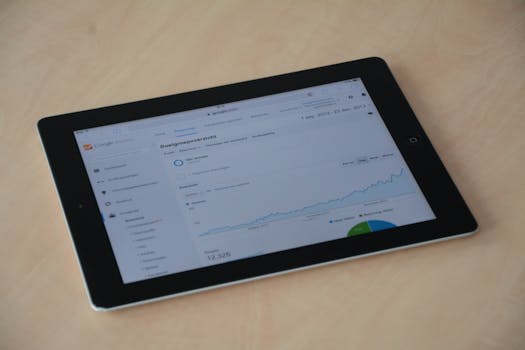
Local SEO tracking tools fall into two rough camps: all-in-one platforms and specialist rank checkers.
| Tool | Strongest for | Worth knowing |
|---|---|---|
| BrightLocal | Auditing, tracking and managing reviews and citations in one place | Broader local management rather than pure rank tracking |
| Local Falcon | Grid-based map pack tracking | Focused on grid visibility rather than full reporting |
| SEMrush | Global and local rank monitoring | Not a local-first platform |
| Local SERP checkers | Tracking rankings and analysing competitors | Check the location and data settings carefully |
BrightLocal specialises in local SEO tracking, while SEMrush supports global and local rank monitoring, so plenty of teams run one of each. The right choice depends on whether you want citations and audits in the same place as your ranking data. Whatever you pick, make sure it reports across an area rather than a single point.
AI Overviews and automated queries have made raw keyword reporting messier. Results now shift depending on the query, the searcher and the layout of the page, and some of that movement has nothing to do with your business.
Filter before you react:
If a tool reports a collapse that your grid position and your call log do not support, treat it as a reporting artefact until you have proof otherwise.

Before you change anything, record where you are. A baseline of grid visibility, profile actions, enquiries and conversion rate gives you something honest to measure against later.
Then compare like for like. A quiet trading period will always look worse than a busy one, and seasonal work such as construction and engineering supply will swing hard. Compare the same period year on year where you can, or at least compare periods of similar demand. A clear spreadsheet is enough to keep the story straight, and a properly configured analytics setup makes it easier.
Some numbers attract more attention than they deserve. A top position in one location is not a ranking. Total impressions can climb while enquiries fall. The number of directories you appear in is not a result in itself, because consistency is what counts. A star rating without review recency is half a picture.
Give the space instead to map pack coverage across your area, profile actions, new reviews, qualified enquiries, and the conversion rate that turns visitors into conversations. Those lines will tell you more about whether your local SEO is working than any dashboard stuffed with keyword positions.
Look at two things together: your map pack position across the whole area you serve, and the actions that pay the bills, such as calls, enquiries and bookings. If grid visibility is spreading and enquiries are holding or rising, it is working. If visibility improves but enquiries do not, the problem is usually the page or the offer.
Local results change with the searcher’s distance. Google weighs relevance, distance and prominence, so one check from one location only shows what a single searcher sees. Grid tracking samples your position across your service area instead, which reveals whether you are visible where customers actually are. Track the pattern, not one number.
Ignore single-day ranking swings and unfiltered keyword data. AI Overviews and automated queries have muddied local SEO reporting, so some movement reflects search layout rather than your work. Filter out irrelevant or automated queries, separate branded from non-branded traffic, and treat any dramatic change as suspect until your grid position and enquiry numbers confirm it.
Not necessarily, but they save time. Specialist options exist for grid-based map pack tracking and for auditing, tracking and managing reviews and citations in one place, while general SEO platforms cover global and local rank monitoring. At minimum, use something that samples your position across an area, plus somewhere to record enquiries consistently. Check current features and pricing with each provider before committing.